A housekeeping visit should make your week easier, not leave you wondering what was done, what was skipped, or whether you need to clean before the cleaners arrive. The best answer to what to expect from housekeeping is simple: clear communication, practical help, and a home that feels noticeably more comfortable when the work is finished.
Still, every household is different. A busy family with two kids and a shedding dog needs something different from a working professional who wants a tidy kitchen and bathroom before the weekend. Knowing how housekeeping typically works helps you choose the right level of service and get better results from every visit.
What to Expect From Housekeeping on a Regular Visit
Regular housekeeping is designed to keep the mess from building up. It is usually the right choice for people who do not have time to stay on top of weekly dusting, bathroom cleaning, floors, and kitchen cleanup. Instead of spending your only free evening scrubbing, you have reliable help built into your schedule.
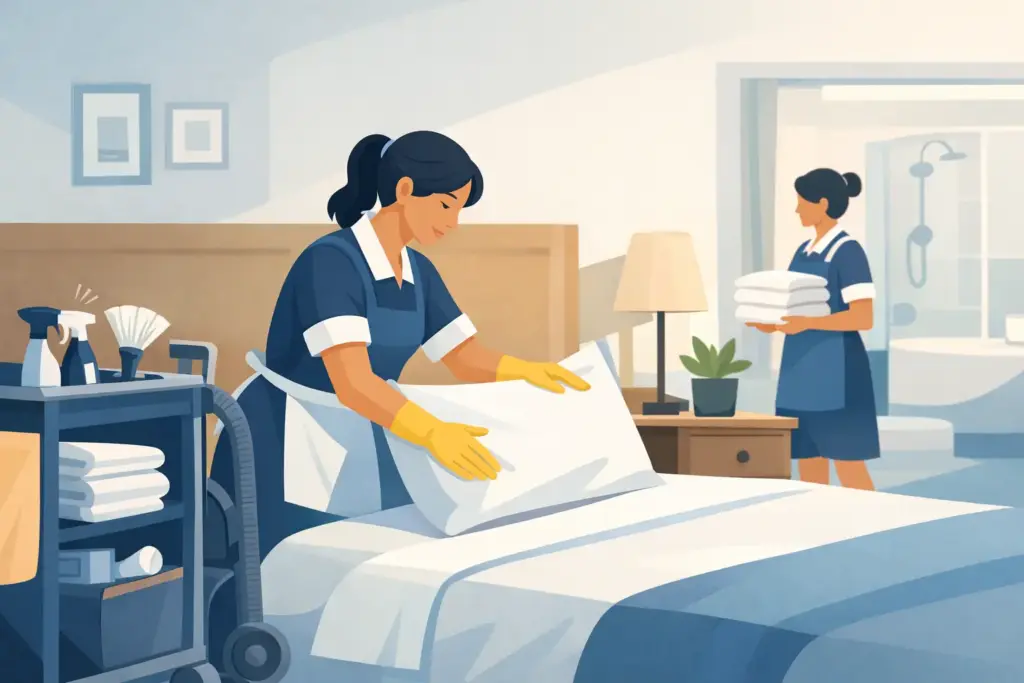
On a standard visit, a housekeeper generally focuses on the areas you use most. That often includes wiping kitchen counters and surfaces, cleaning sinks, toilets, tubs, and showers, dusting reachable furniture, vacuuming carpets and rugs, and mopping hard floors. Trash can be removed, mirrors can be cleaned, beds may be made, and common areas are straightened so the home feels put back together.
The exact tasks depend on the service you request and the condition of the home. A light maintenance clean is meant to maintain a reasonably kept space. It is not the same as a detailed top-to-bottom reset after months of buildup. If you need inside cabinets, appliances, drawers, laundry areas, or heavy bathroom buildup addressed, ask for a deep cleaning rather than assuming those items are included in a basic visit.
That difference matters. A good housekeeping company will explain the scope before arriving, so there are no surprises about time, price, or what can realistically be completed.
Your First Visit May Take More Time
The first housekeeping appointment often takes longer than recurring visits. This is normal. Even a home that looks fairly clean can have dust behind furniture, grease near the stove, soap residue in the shower, or floors that need more than a quick pass.
A first visit is also when the cleaner gets familiar with your home and your priorities. Maybe your kitchen needs the most attention, your pets track in dirt near the entryway, or one bathroom gets used constantly. Let the team know. Specific direction is helpful, especially if there are rooms you would rather leave untouched or areas that need extra care.
For many homes, starting with a deep clean and then moving to weekly, biweekly, or monthly housekeeping makes the most sense. The deep clean handles the neglected work. The recurring service helps prevent that work from becoming overwhelming again.
What Housekeeping Usually Does Not Include
Housekeeping is flexible, but it is not unlimited. Clear expectations protect both the customer and the cleaner.
Most standard appointments do not automatically include moving heavy furniture, washing exterior windows, cleaning high chandeliers, handling biohazards, or dealing with unsafe conditions. Inside ovens, refrigerators, cabinets, and drawers are often deep-cleaning add-ons or part of a custom quote because they require more time and detail.
Decluttering is another area worth discussing ahead of time. A cleaner can wipe surfaces and clean floors much more effectively when the space is accessible. If rooms are packed with clothing, boxes, papers, or household items, the visit may need to focus first on creating workable space. There is no judgment in that. Life gets busy, moves happen, family situations change, and clutter can get ahead of anyone.
For a heavily cluttered home or a serious home reset, a company may recommend a longer appointment, multiple visits, or a specialized cleanup plan. That approach is often more realistic and less stressful than expecting one regular housekeeping visit to solve everything at once.
Supplies, Products, and Your Preferences
Many housekeeping services bring their own basic cleaning materials and equipment. That saves you a trip to the store and removes one more task from your list. At Mrs Clean Woodbridge, supplied materials and practical options are part of making service convenient for local customers.
If you have product preferences, mention them before the appointment. Some households want eco-conscious products, while others need fragrance-free options because of allergies, asthma, babies, or pets. You may also prefer certain products for natural stone, hardwood floors, stainless steel, or delicate surfaces.
Do not assume that every product is safe for every material. If you have a special countertop, antique furniture, expensive flooring, or a surface that has been damaged before, point it out. A quick conversation can prevent a costly mistake.
Preparing for a Housekeeping Appointment
You do not need to clean your home before housekeeping arrives. That defeats the purpose. But a little preparation helps the team spend time cleaning instead of searching for clear surfaces or trying to figure out what should be put away.
Try to pick up personal items from floors, clear heavily used counters, and put away important papers, cash, jewelry, medication, and sensitive documents. If you want bedding changed, leave clean sheets out. If you have a specific room or task that matters most, make that clear before work begins.
It also helps to share practical details: where to park, how to enter the building, whether there is a gate code, and which rooms are off-limits. If you will be home, you can walk through your priorities in a few minutes. If you will be away, a trusted access arrangement and clear instructions can make the visit just as smooth.
Pets, Kids, and Working From Home
A dependable housekeeper should work respectfully around real life. That includes pets, children, remote work calls, naps, and busy schedules.
Let the cleaner know if a pet is nervous, likely to escape, or does not like vacuums. Some pets are perfectly comfortable with a cleaning visit, while others do better in a separate room, crate, or backyard. The goal is to keep everyone safe and reduce stress.
If you work from home, tell the team where you will be and when you need quiet. Cleaning does involve vacuums, running water, and normal movement through the home, so it may not be silent. Still, good communication makes it easier to plan around meetings and avoid interruptions.
Scheduling That Fits Your Home
Weekly housekeeping works well for homes with children, pets, frequent cooking, or a lot of daily activity. Biweekly service is popular for households that do some upkeep but want reliable help with the bigger routine chores. Monthly visits can work for smaller homes or people who mainly need a reset now and then.
There is no one schedule that fits everyone. The right frequency depends on your budget, how quickly your home gets messy, and how much cleaning you want to handle yourself between visits. Starting with a phone quote and an honest conversation about your needs is usually the easiest way to choose.
A quality service should also be flexible when life changes. You may need extra help before guests arrive, after a busy season, when moving, or when you simply fall behind. Housekeeping is there to take pressure off, not add another rigid obligation to your calendar.
Communication Is Part of the Service
The cleaning itself matters, but communication is what makes housekeeping feel trustworthy over time. You should know when the team is expected, what type of cleaning is planned, how access will work, and who to contact if something changes.
Be direct about feedback. If you would like more attention on baseboards, less time in a guest room, or a different product used in the bathroom, say so. Most housekeeping relationships improve after the first few visits because the cleaner learns your preferences and you learn what level of service works best for your home.
The most helpful mindset is to treat housekeeping as support, not a luxury you have to earn. Whether you need regular maintenance, a detailed deep clean, or judgment-free help getting a home back under control, the right service gives you back time, breathing room, and a place that feels good to come home to.