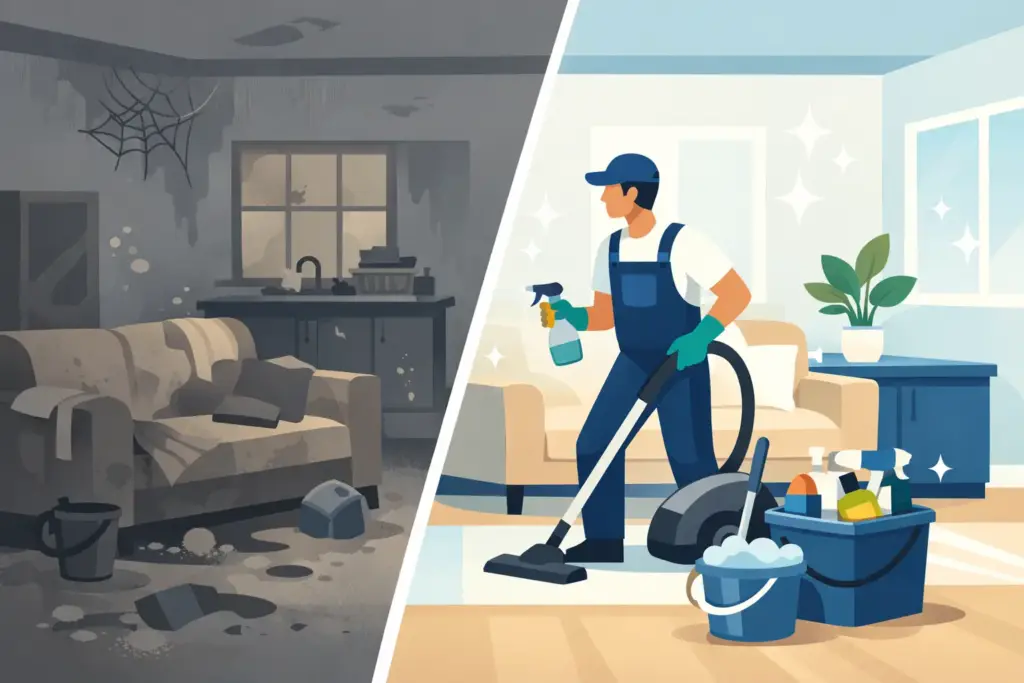
A home can get away from anyone. A demanding job, a new baby, an illness, a move, grief, burnout, or simply too many responsibilities can turn a few skipped chores into rooms that feel impossible to face. Deep cleaning for neglected homes is not about judgment or making a house look perfect. It is about getting your space safe, usable, and comfortable again – one real step at a time.
The hardest part is usually not the cleaning itself. It is deciding where to begin when every room seems to need attention. Start with the areas that affect daily life and health first, then work toward the details. A reset does not have to happen in one exhausting weekend, and asking for help is often the most practical choice you can make.
What Makes a Home Need a Deep Clean?
A neglected home is different from a house that simply needs a regular cleaning. Regular housekeeping keeps up with dust, floors, bathrooms, and kitchen surfaces. A deeper reset addresses buildup that has been sitting for weeks, months, or longer.
You may notice grease on cabinets, sticky floors, overflowing laundry, food residue in the refrigerator, bathroom grime, dust behind furniture, or clutter that makes rooms hard to use. Sometimes there are pet accidents, odors, unopened boxes, or bags that have collected in hallways and spare rooms. These situations can feel personal, but they are more common than people think.
The right level of cleaning depends on the condition of the home. A house with dusty baseboards and a messy kitchen may need one focused deep clean. A home with heavy clutter, pests, mold concerns, animal waste, or unsafe walking paths may need a more careful plan, extra time, and possibly specialized services. There is no benefit in pretending a bigger job is a standard two-hour clean. A clear assessment helps everyone set realistic expectations.
Deep Cleaning for Neglected Homes Starts With Safety
Before worrying about shine, make the home safer to move through. Clear a path from the entryway to the bathroom, kitchen, bedrooms, and exits. If piles are blocking doors, stairs, vents, or electrical outlets, those areas deserve immediate attention.
Throw away obvious trash first, but do not rush through items that could be important. Papers, medication, mail, photos, keys, and small valuables can get mixed into clutter quickly. Use separate bags or bins for trash, donations, laundry, and items that need a decision later. If sorting feels overwhelming, focus only on garbage and dishes during the first session. That alone can change the way a room feels.
Be careful with unknown substances, broken glass, sharp objects, pest droppings, and strong odors. Open windows when possible and wear gloves. Never mix cleaning products, especially bleach with ammonia or other bathroom and kitchen cleaners. If there is visible mold over a large area, sewage, extensive pest activity, or a structural problem, cleaning alone may not be the answer. Those conditions can require a qualified specialist before normal housekeeping begins.
Start Where the Reset Will Help Most
When a home is behind, it is tempting to begin with the room that looks worst. Sometimes that works. More often, the best first room is the one that gives you the biggest daily payoff.
The kitchen is usually a smart place to start because it affects meals, dishes, and food safety. Remove spoiled food from the refrigerator and counters, wash dishes, clear sink buildup, and disinfect the main prep surfaces. Then move to the stove, microwave, cabinet fronts, and floors. Inside cabinets and drawers can wait until the everyday kitchen is functional again, unless there is a spill, pest issue, or food contamination that needs immediate attention.
The bathroom comes next for many homes. Clean and disinfect the toilet, sink, shower or tub, faucet handles, and floor. Fresh towels, an emptied trash can, and a stocked toilet paper holder make a big difference. If multiple bathrooms need work, get one fully usable before spreading your energy across all of them.
After that, focus on the bedroom. You need a clean place to sleep if you are going to keep going. Strip the bed, start a load of laundry, pick up trash, and clear enough floor space to move comfortably. A perfectly organized closet is not required on day one. Rest comes before perfection.
Clean in the Right Order
A neglected home can create extra work when tasks happen out of order. Cleaning top to bottom and dry to wet saves time. Start by removing trash and clutter from a section, then dust high surfaces, wipe furniture and counters, clean fixtures, and finish with floors. If you vacuum before clearing dusty shelves, you will only need to vacuum again.
Work in zones instead of trying to complete every task in every room. For example, finish the kitchen counters, sink, appliances, cabinet fronts, and floor before jumping to the living room. Small completed areas build momentum. They also give your household a place to function while other rooms are still in progress.
For heavy buildup, let the product sit for a few minutes before scrubbing. Grease on a stove, soap scum in a shower, and dried spills in a microwave often need dwell time. Scrubbing harder is not always better, particularly on delicate surfaces. Test an inconspicuous area when cleaning wood, natural stone, painted cabinets, or older fixtures.
Clutter and Cleaning Are Related, But Not the Same Job
Clutter makes cleaning harder because surfaces and floors cannot be reached. Still, cleaning crews should not be expected to make personal decisions about every item in the home. Sorting can take far longer than actual cleaning, especially in rooms filled with paperwork, clothing, collectibles, or stored belongings.
A good approach is to agree on the goal before work begins. Maybe the goal is to make the kitchen sanitary, clear pathways, prepare for guests, or get a rental ready for move-out. Maybe it is a larger home reset after a difficult season. The goal determines whether items are bagged, boxed, moved to one area, or sorted with the homeowner present.
For sensitive clutter or hoarding-related situations, privacy and a calm approach matter. Shame does not make a hard job easier. Progress does. A professional team can work with clear instructions, protect personal belongings, and handle the cleaning portion once safe access to surfaces is available.
When Professional Help Makes Sense
There is no prize for doing a major reset alone when you are exhausted, short on time, or physically unable to manage it. Professional help can be especially useful before a move, after an illness, when family is coming to visit, or when the condition of the home has become stressful to live with.
A cleaning team can bring supplies, work through a defined checklist, and tackle the jobs that are easy to keep putting off: refrigerator interiors, ovens, cabinet fronts, drawers, laundry rooms, bathroom buildup, baseboards, and floors. Be honest about the home’s condition when requesting an estimate. Photos or a phone conversation can help set the right scope, time, and price.
For Woodbridge-area households, Mrs Clean Woodbridge offers practical, judgment-free deep cleaning and home reset support, including more demanding cluttered-home situations. Scheduling help for one thorough visit can make regular upkeep feel possible again.
Keep the Home From Sliding Back
After a deep clean, the goal is not to maintain a showroom. The goal is to avoid another overwhelming reset. Pick a few non-negotiables that fit your actual life: dishes handled before bed, trash removed weekly, one load of laundry started when the hamper is full, and a quick bathroom wipe-down once a week.
If daily routines are not realistic right now, use a smaller plan. Ten minutes in the kitchen is useful. One cleared counter is useful. A recurring housekeeping visit can also take pressure off busy families, renters, caregivers, and professionals who need the home to stay manageable without giving up every weekend.
A neglected home is not a character flaw. It is a signal that life has been heavy or time has been short. Start with a safe path, a usable kitchen, a clean bathroom, and a place to sleep. Once those basics are back, the rest of the home can come back too – at a pace that works for you.