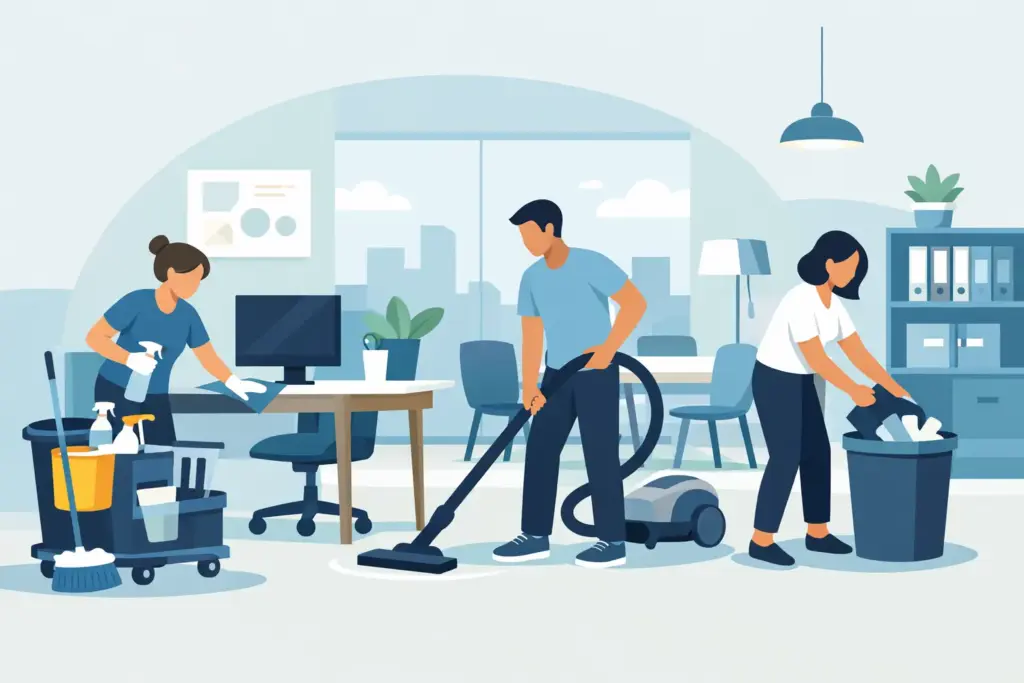
A small office can get messy faster than anyone expects. One shared microwave, a few lunches at desks, a busy bathroom, and a full trash can on Friday can change the whole feel of the place. Office cleaning for small teams in Woodbridge New Jersey is not about making a workplace look fancy. It is about giving your employees, visitors, and customers a clean place to work without adding another job to someone’s already full day.
For a team of three, eight, or even 15 people, a practical cleaning plan goes a long way. The right plan keeps the office presentable, cuts down on odors and grime, and helps everyone feel more comfortable coming through the door.
Why Small Offices Need a Real Cleaning Plan
Small teams often assume they can handle cleaning as they go. Sometimes they can, especially in a quiet office with little foot traffic. But shared spaces are where the trouble starts. Nobody wants to be the person who keeps reminding coworkers to wipe the counter, take out the trash, or clean the bathroom sink.
When cleaning is informal, the work usually falls on the same reliable person. That may be an office manager, a receptionist, or the business owner. Over time, it becomes frustrating. It also means important areas get skipped because daily work has to come first.
A clean workplace makes a direct impression, too. Clients notice dusty entry tables, fingerprints on glass doors, overflowing bins, and a restroom that looks ignored. You do not need a huge corporate office to benefit from professional standards. A small, tidy office tells people you care about the details.
Office Cleaning for Small Teams: What Needs Attention
The best cleaning routine is based on how your office is actually used. A law office with clients stopping in has different needs than a small warehouse office or a creative studio where the team eats lunch together every day. Still, most small workplaces need attention in the same core areas.
High-touch surfaces should be cleaned often
Door handles, light switches, shared keyboards, phones, copier buttons, refrigerator handles, and conference tables collect fingerprints and germs quickly. These do not always look dirty, which is why they are easy to overlook. Regular wiping and disinfecting helps keep the office feeling fresh, especially during cold and flu season.
Restrooms should never be an afterthought
A small office may only have one restroom, but that does not make it low-maintenance. Toilets, sinks, mirrors, floors, dispensers, and trash bins all need routine attention. Keeping soap, paper towels, and toilet paper stocked is just as important as cleaning the room itself.
A restroom that is clean, dry, and odor-free makes employees more comfortable and prevents an awkward experience for visitors. If your staff shares a bathroom with other tenants in the building, you may not control the full schedule, but you can still keep your own space clean and report issues promptly.
Break areas need more than a quick wipe
Crumbs in the toaster, coffee spills around the maker, old food in the refrigerator, and a microwave with splatters can make a small kitchen feel unpleasant in a hurry. Daily tidying helps, but a proper cleaning should include counters, cabinet fronts, appliance exteriors, sinks, tables, and floors.
The refrigerator is one area where it helps to set a simple rule. Pick one day each week for staff to remove old lunches and containers. A cleaning crew can wipe the inside during deeper service, but employees should still take responsibility for personal food and dishes.
Floors, trash, and dust affect the whole office
Carpet holds dirt, crumbs, and outside debris even when it does not look terrible. Hard floors show scuffs and dust around corners. Regular vacuuming or mopping keeps the space from looking worn down, while trash removal prevents odor and keeps pests away.
Dusting matters more than people think. Desks, window ledges, baseboards, shelves, vents, and reception furniture can gather dust fast. In a small room, there is nowhere for it to hide.
How Often Should a Small Office Be Cleaned?
There is no one schedule that works for every business. It depends on the number of people in the office, whether clients visit, whether food is prepared or eaten on-site, and how much foot traffic comes through the door.
A two- or three-person office with no customer traffic may do well with professional cleaning every other week, plus basic daily upkeep. A busier office with client appointments, a shared restroom, and frequent lunches may need weekly service. Medical-adjacent offices, childcare spaces, fitness studios, and businesses with heavier public traffic may need cleaning more often.
Daily employee habits should handle the little things: putting away dishes, wiping obvious spills, throwing out personal trash, and keeping desks reasonably clear. Professional office cleaning can then handle the deeper, more consistent work that keeps those small messes from becoming big ones.
Create a Routine Employees Can Actually Follow
Nobody needs a long checklist taped to the wall. The goal is to make simple expectations clear. Ask everyone to clean up after eating, label food in the refrigerator, take personal items home when they are no longer needed, and report spills or supply shortages right away.
It also helps to designate one person to communicate with the cleaning service. That does not mean they are responsible for cleaning. They are simply the contact who can mention schedule changes, request extra attention in a certain area, or let the crew know about an event or client visit.
Keep personal paperwork, money, medications, and sensitive files put away before cleaning day. A trustworthy cleaning team respects your space, but organized desks make it easier to clean properly and protect private information at the same time.
When In-House Cleaning Stops Being Enough
There is a point where asking employees to handle everything costs more than it saves. If staff are spending time vacuuming, scrubbing toilets, restocking supplies, or dealing with a smelly fridge instead of doing their jobs, it may be time to bring in help.
Professional service is especially useful after a move, an office event, construction work, a long stretch of neglected cleaning, or a busy season that left the workplace behind. A one-time deep clean can reset the space, while recurring service keeps it from sliding back.
Look for a local cleaner who will work around your schedule and explain what is included. Some offices only need common areas and restrooms cleaned. Others want desks dusted, floors maintained, kitchens cleaned, trash removed, and glass doors wiped down. The right service should fit your office instead of forcing you into a package that does not make sense.
For small businesses in Woodbridge, Mrs Clean Woodbridge offers flexible office cleaning with supplies provided, practical scheduling, and a focus on the areas your team actually uses. A phone conversation about your office size, traffic, and priorities is usually the fastest way to get a plan that feels fair.
A Clean Office Supports Better Workdays
Cleaning will not solve every workplace problem, but it removes a lot of unnecessary friction. People can make coffee without facing yesterday’s mess. Clients can sit down without noticing dust or sticky spots. Your team can focus on work instead of quietly wondering whose turn it is to deal with the restroom.
Start with the spaces that create the biggest daily impact: the entry, restroom, break area, trash, and floors. From there, choose a schedule that matches your real traffic, not the schedule you think you should have. A clean office does not need to be complicated. It just needs to be handled consistently by people who take pride in getting it done right.